
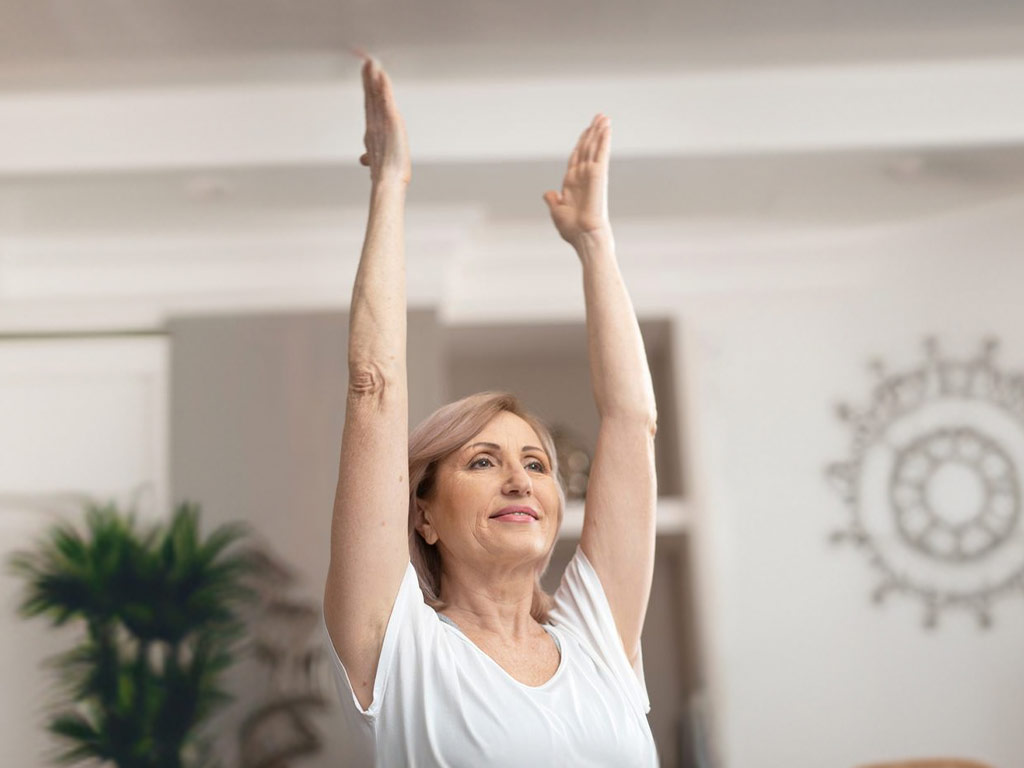
Healthy longevity is the practice of improving both lifespan and healthspan through personalized lifestyle choices, preventive care, and evidence-based interventions.
Aging well requires stage-specific strategies; supporting metabolic health in early adulthood, stress resilience in midlife, hormonal balance during transitions, and functional strength in later decades.
Research shows that adopting tailored habits earlier in life significantly improves long-term vitality and reduces age-related decline.
Introduction
Longevity used to be about reaching a certain age. Today, it’s about elevating the quality of every year; mentally, physically, emotionally, and socially. The new conversation is not “How long can we live?” but “How well can we live across each chapter of life?”
Inside the global beauty and wellness industries, this shift is transformative. Healthy longevity has become the compass guiding innovation, investment, and strategy. And at INNOCOS, we see leaders across biotech, skincare, nutrition, and lifestyle design rethinking aging as a lifelong process; not a late-life concern.
This modern guide brings clarity to what the science actually says about aging well, and how lifespan health can be optimised from early adulthood through the advanced years.
What Does “Healthy Longevity” Really Mean?
Healthy longevity refers to maintaining physical, cognitive, and emotional well-being for as long as possible. Instead of focusing on “anti-aging,” longevity science emphasizes:
- healthspan over lifespan
- prevention over correction
- cellular resilience over cosmetic fixes
- lifelong optimization over late-life interventions
It’s a system-wide approach that integrates nutrition, exercise, stress biology, sleep, metabolic balance, and social health.
This aligns deeply with today’s beauty and wellness trends: consumers want solutions that feel intentional, personalized, and grounded in real science.
Read more: Future of AI in Personalization
Why Aging Well Requires a Life-Stage Approach
Aging isn’t linear and the strategies that protect health at 25 are not the same ones that matter at 55 or 75.
Google search trends reveal growing interest in:
- “longevity at every age”
- “how to age well in your 30s/40s/50s”
- “how to stay healthy longer”
- “lifespan health habits”
These searches reflect a mindset shift: people now want clarity, not generic advice.
Here’s what science tells us about optimizing healthy longevity at each major stage.

Longevity Foundations in Your 20s and 30s (Building Resilience Early)
This stage lays the groundwork for decades ahead. Cellular repair systems are strong, but lifestyle patterns begin to shape long-term metabolic and cognitive health.
Key Principles
- Maintain optimal sleep cycles to strengthen hormonal and immune pathways
- Reduce chronic stress to limit early inflammation
- Build lean muscle, a key predictor of long-term vitality
- Establish nutrient-dense habits before deficiencies accumulate
What People Often Ask on Google
“How can I start aging well in my 20s/30s?”
Answer: Focus on sleep, strength training, balanced nutrition, stress resilience, and consistent sun protection.
Longevity in Your 40s (The Critical Transition Decade)
This decade often marks metabolic slowdown, hormonal shifts, and increased oxidative stress.
Evidence-Based Strategies
- Prioritize strength and mobility to counter middle-age muscle loss
- Track biomarkers (lipids, glucose, inflammation, hormones)
- Support collagen production and skin barrier health
- Reinforce mental health practices to reduce cognitive aging
Why It Matters
Intervening in your 40s can delay or prevent age-related conditions by 10–15 years.
Related article: Wellness Trends from Europe for 2026
Longevity in Your 50s and 60s (Optimization + Protection)
By this stage, personalized interventions matter more than ever.
Core Longevity Practices
- Maintain bone density through resistance training
- Use targeted supplementation as guided by diagnostics
- Support cognitive function with omega-3s, sleep hygiene, and learning
- Embrace social connection; one of the strongest predictors of long-term health
Aging Well Isn’t Isolation
Research consistently shows that people with strong relationships live longer, healthier lives. This aligns with the INNOCOS belief that meaningful connection is a core pillar of well-being.
Longevity in 70+ (Function, Purpose, and Joy)
At this stage, quality of life becomes the central focus.
What Helps Most
- Functional movement: balance, slow strength, joint mobility
- Anti-inflammatory diets
- Cognitive engagement through creativity and problem-solving
- Purpose-driven living and community integration
Healthy longevity is not about “staying young”; it’s about staying capable, connected, and fulfilled.
Universal Longevity Pillars for Every Age
Regardless of life stage, some habits consistently support vitality:
Movement as Medicine
Regular movement slows biological aging, improves metabolic health, and protects cognition.
Nutrition for Long-Term Health
Diets rich in plants, healthy fats, fiber, and antioxidants are linked to longer healthspan.
Stress & Sleep Regulation
Cortisol dysregulation accelerates cellular aging; restorative sleep reverses damage.
Social + Emotional Well-being
Connection is one of the most powerful longevity interventions; human or otherwise.
Diagnostics and Personalization
Modern longevity is built on data, biomarkers, and insight; not guesswork.
Industry Insight: Why Healthy Longevity Matters for INNOCOS Leaders
Longevity is not a trend; it’s becoming the foundation of the global beauty and wellness economy.
For founders and executives:
- Consumers expect purpose-driven, science-backed guidance.
- Preventive health solutions outperform reactive ones.
- Longevity-focused products create stronger brand loyalty.
- Personalization, biomarkers, and proactive care will dominate the next decade.
This is where innovation meets intention and where INNOCOS brings clarity to a fast-changing landscape.
Read more: Inside the Minds of Wellness Investors: What They Look for in Beauty Startups
FAQs
What is the healthiest way to age well?
Aging well requires consistent habits: nutrient-rich eating, strength training, stress management, restorative sleep, and regular health screenings.
How early should I start focusing on longevity?
Experts suggest starting in your 20s or 30s, but improvements at any age can boost healthspan.
What foods help with healthy longevity?
Whole foods, leafy greens, legumes, nuts, oily fish, berries, fermented foods, and antioxidant-rich plants.
How do I maintain longevity at every age?
Personalize your approach: build foundations early, support hormones in midlife, optimize biomarkers in your 50s/60s, and maintain strength and social health in later years.
What’s the difference between lifespan and healthspan?
Lifespan is how long you live; healthspan is how long you stay healthy, independent, and energized.
Is healthy longevity scientifically proven?
Yes; decades of research from longevity labs, Blue Zones studies, epigenetic research, and lifestyle-medicine evidence confirm that targeted habits extend healthspan.