

Long-term wellness outcomes are driven by the integration of lifestyle wellness and supportive wellness technology.
While habits like movement, nutrition, and stress management form the foundation, wellness devices and digital tools enhance consistency, personalization, and insight.
The most sustainable results come from a holistic health approach that aligns human behavior with intelligent technology.
Introduction
Wellness has never been more visible, or more complex. From daily habits and holistic rituals to wearable wellness devices and advanced digital platforms, today’s consumers are surrounded by options promising better health and longer vitality.
But visibility doesn’t always equal impact.
As the wellness industry matures, a critical question is emerging: what actually drives long-term wellness outcomes; lifestyle choices, wellness technology, or the integration of both?
At INNOCOS, where innovators, scientists, and leaders convene to shape the future of beauty, wellness, and longevity, the answer is becoming increasingly clear: sustainable wellness is built through connection, not extremes.
This article explores how lifestyle wellness, holistic health principles, and wellness technology intersect and what truly makes the difference over time.
Read more: How to Win a Beauty Award
What Do We Mean by Long-Term Wellness Outcomes?
Long-term wellness outcomes refer to sustained improvements in physical, mental, and emotional health; not short-term gains or temporary performance boosts.
They include:
- metabolic and cardiovascular resilience
- mental clarity and emotional regulation
- mobility, strength, and recovery over time
- prevention-focused health maintenance
- quality of life as people age
Unlike quick fixes, these outcomes require consistency, adaptability, and systems that evolve with the individual.
The Role of Lifestyle Wellness: The Foundation of Health
Why Lifestyle Still Matters Most
Lifestyle wellness encompasses daily behaviors that shape long-term health: nutrition, movement, sleep, stress management, and social connection.
Decades of research consistently show that lifestyle factors account for a significant share of long-term health outcomes. No technology can compensate for chronic sleep deprivation, inactivity, or unmanaged stress.
Key lifestyle drivers include:
- regular physical activity
- nutrient-dense, balanced nutrition
- restorative sleep
- stress regulation and emotional health
- meaningful social engagement
Lifestyle creates the baseline upon which everything else builds.
Common Misconceptions About Lifestyle Wellness
A frequent misconception is that lifestyle wellness must be rigid or extreme to be effective. In reality, sustainable habits outperform intensity.
Consistency, adaptability, and personalization—not perfection—are what support long-term wellness.
Where Wellness Technology Fits In
The Rise of Wellness Devices and Digital Tools
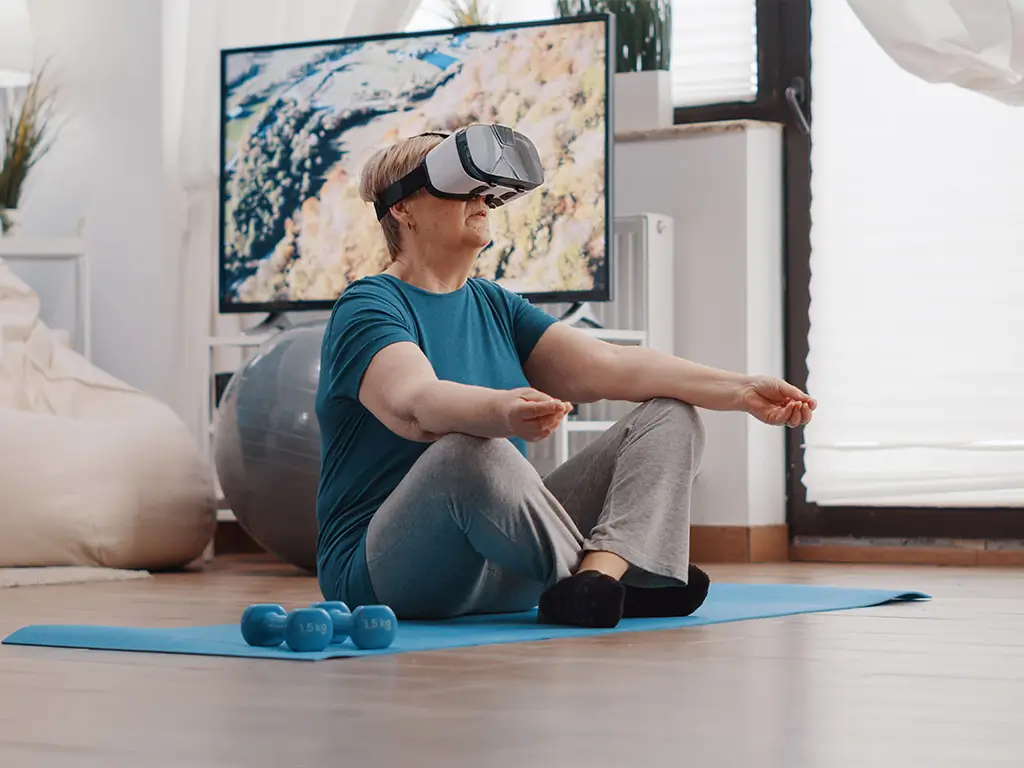
Wellness technology has evolved far beyond step counters. Today’s ecosystem includes:
- wearable health trackers
- sleep and recovery monitoring
- heart rate variability and stress metrics
- connected fitness and recovery platforms
When used well, these tools provide feedback loops that help individuals understand how lifestyle choices affect their health in real time.
What Wellness Technology Does Well and Where It Falls Short
Strengths:
- objective data and pattern recognition
- increased awareness and accountability
- personalized insights over time
Limitations:
- data without context can overwhelm users
- overtracking may increase stress
- technology alone doesn’t drive behavior change
Technology supports wellness; it doesn’t replace human agency.
Holistic Health: The Missing Connector
Why Holistic Health Outperforms Isolated Solutions
Holistic health recognizes that physical, mental, emotional, and environmental factors are deeply interconnected.
Rather than separating lifestyle wellness from wellness technology, holistic models integrate them—aligning behavior, insight, and intention.
This approach:
- reduces reliance on extremes
- supports long-term adherence
- aligns health goals with real life
- respects individuality and change over time
Holistic health doesn’t ask people to optimize everything; it helps them prioritize what matters most.
Read more: Leadership Trends in Beauty and Wellness
Lifestyle vs. Tech: A False Choice
Why the Future Is Integration, Not Competition
One of the biggest mistakes in wellness thinking is framing lifestyle and technology as opposing forces.
In reality:
- lifestyle creates impact
- technology creates clarity
The strongest long-term wellness outcomes emerge when technology reinforces healthy behaviors rather than attempting to replace them.
For leaders and brands, this shift represents a move from product-driven solutions to ecosystem-driven wellness experiences.
Industry Insight: What Wellness Leaders Are Recognizing Now
Across the wellness industry, leaders are rethinking success metrics.
Instead of short-term engagement, the focus is shifting toward:
- adherence over time
- meaningful behavior change
- trust and transparency
- long-term relationship building
This evolution mirrors broader industry conversations happening at INNOCOS—where innovation is evaluated not by novelty, but by impact.
Common Myths About Long-Term Wellness
Myth 1: More Technology Means Better Health
Without context and guidance, more data often leads to less clarity.
Myth 2: Lifestyle Alone Is Enough
Lifestyle is essential, but feedback and personalization improve outcomes.
Myth 3: Holistic Health Lacks Scientific Rigor
Modern holistic health integrates evidence-based practices with systems thinking—not intuition alone.
Read more: wellness investors
FAQs
What is lifestyle wellness?
Lifestyle wellness focuses on daily habits—nutrition, movement, sleep, and stress—that influence long-term health.
Do wellness devices really improve health?
They can support health by increasing awareness and personalization, especially when paired with sustainable habits.
What does holistic health actually mean?
Holistic health addresses physical, mental, emotional, and social well-being as interconnected systems.
Is wellness technology necessary for long-term health?
Not necessary, but highly supportive when used intentionally and without dependency.
How can people avoid burnout from wellness tracking?
By focusing on trends over time rather than daily perfection, and using data as guidance—not judgment.
Final Insight: Wellness That Lasts Is Designed, Not Chased
Long-term wellness isn’t driven by lifestyle or technology alone; it’s shaped by how thoughtfully they are integrated.
At INNOCOS, we see the future of wellness as human-first, insight-driven, and purpose-led. Not more noise. More clarity. Not extremes. Integration.
Because when wellness is built around real people—not just products—outcomes don’t just improve. They endure.