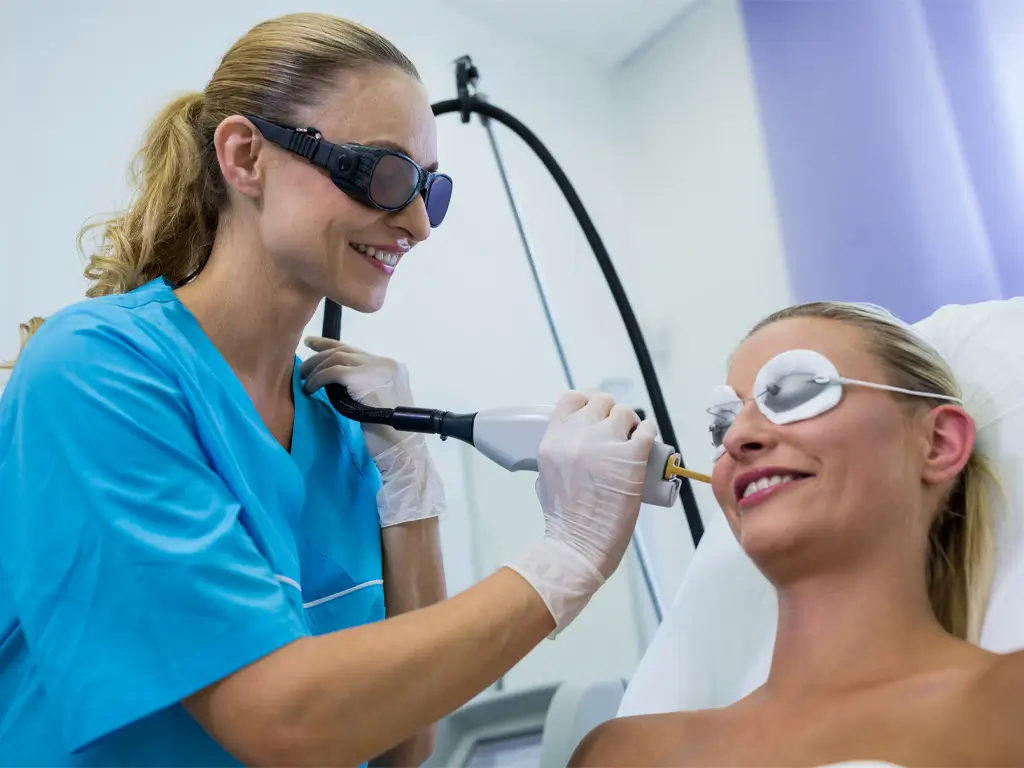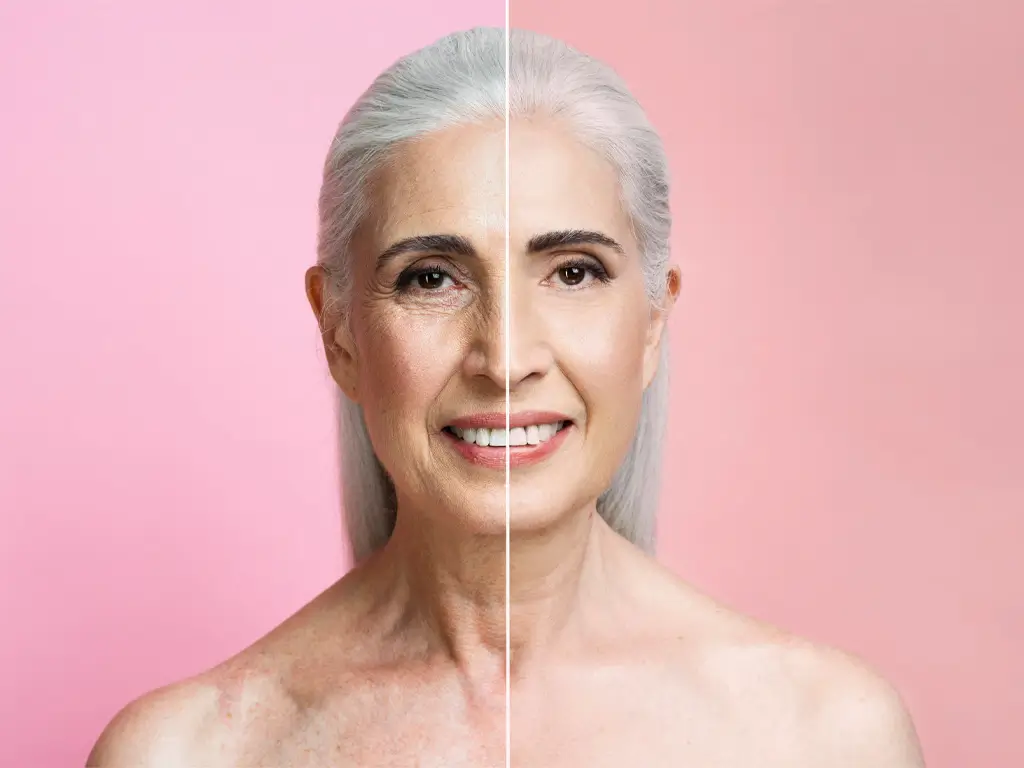
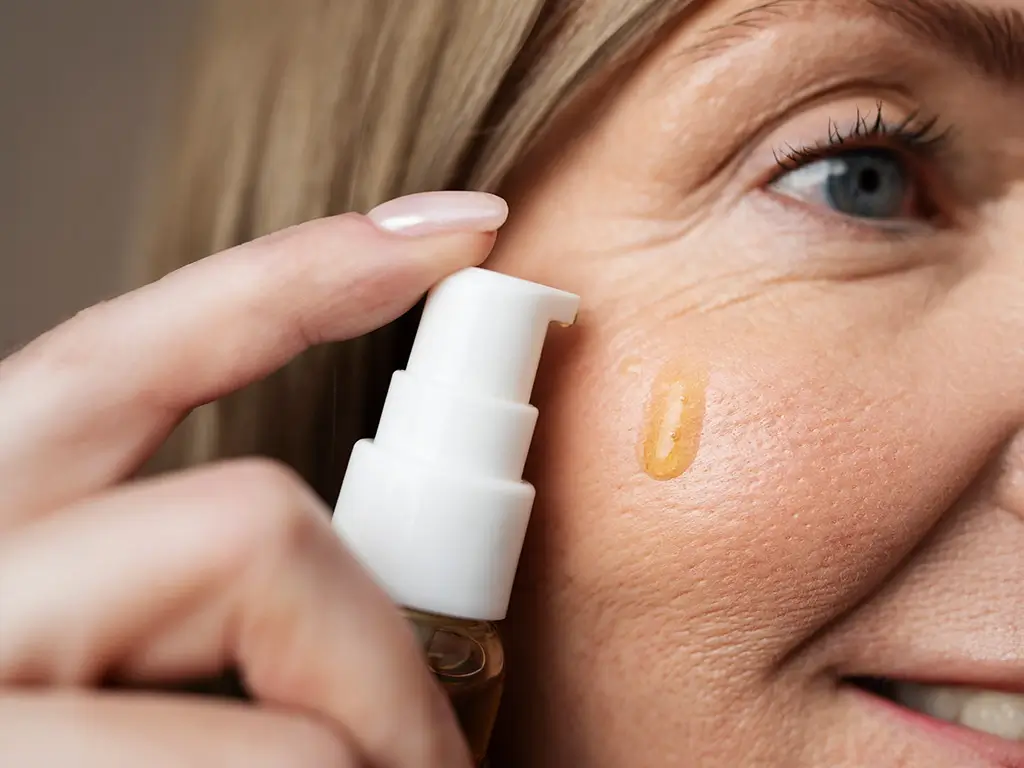
Longevity skincare focuses on supporting cellular health; especially mitochondrial function, to slow visible aging and enhance long-term skin resilience.
Unlike traditional anti-aging products, longevity formulas target biological mechanisms behind wrinkles, elasticity loss, and inflammation.
While regular skincare can’t stop aging, clinically validated routines can meaningfully improve skin longevity and extend results when backed by science.
Introduction
In beauty and wellness, the conversation around aging has shifted; from correcting signs to understanding the biology behind them. The rise of longevity skincare reflects this evolution: formulations designed not just to smooth skin today but to support cellular function for the future.
At INNOCOS, where innovation meets intention, we see a growing demand for science-backed solutions that address the hallmarks of aging, especially mitochondrial decline.
This article explores what longevity skincare truly means, how mitochondrial function shapes visible aging, and what leaders across beauty, wellness, and longevity should know as the category enters its next chapter.
What Is Longevity in Skincare?
Longevity skincare refers to products and routines that support the skin’s biological resilience over time by targeting the root mechanisms of aging; not just surface-level symptoms.
It integrates:
- Cellular biology
- Dermatology research
- Mitochondrial science
- Bioactive ingredient innovation
Instead of “anti-aging,” longevity skincare focuses on pro-aging with purpose, helping the skin function younger for longer.
Key Pillars of Longevity Skincare
- Cellular energy support (mitochondrial health)
- Reduction of oxidative stress
- Repair of skin barrier and extracellular matrix
- Stimulation of collagen and elastin
- Inflammation control
The Science: Why Mitochondrial Function Matters
Mitochondria are the cell’s energy engines. As they weaken with age, cellular repair slows, inflammation rises, and collagen production drops.
Research connects mitochondrial decline to multiple hallmarks of aging, including:
- Cellular senescence
- Genomic instability
- Loss of proteostasis
- Deregulated nutrient sensing
- Stem cell exhaustion
Read more: How to Leverage an Industry Award for Maximum Brand Growth
When skincare supports mitochondrial function, it helps the skin:
- Maintain youthful energy production
- Reduce oxidative damage
- Improve cell turnover
- Strengthen its barrier
- Enhance long-term firmness and elasticity
This is why next-gen formulations focus on NAD+ boosters, peptides, antioxidants, polyphenols, and mitochondrial stabilizers.
Clinically Validated Formulations: What Really Works?
Longevity skincare gains credibility through clinical validation, not marketing language.
Evidence-backed ingredient categories:
1. NAD+ Precursors
Support mitochondrial energy and repair pathways.
Examples: niacinamide, NMN derivatives (cosmetic-grade)
2. Advanced Peptides
Signal regeneration and extracellular matrix rebuilding.
Examples: copper peptides, matrikines, mitochondrial-targeted peptides
3. Polyphenols & Antioxidants
Reduce oxidative stress; one of the core drivers of aging.
Examples: resveratrol, coenzyme Q10, ergothioneine
4. Retinoids
Gold standard for cell turnover, mitochondrial density, and collagen renewal.
5. Adaptogens & Bioactive Botanicals
Help regulate inflammatory responses and barrier resilience.
Can Regular Skincare Routines Extend Longevity of Results?
Consumers often ask whether a “good routine” alone improves skin longevity.
Short answer: Yes; if the routine includes clinically validated longevity-focused ingredients, protects the barrier, and is used consistently.
A routine boosts longevity when it:
- Supports mitochondrial energy
- Protects against UV and pollution
- Reduces oxidative damage
- Keeps inflammation under control
- Maintains barrier integrity
However, longevity requires biology-first intervention, not just hydration or exfoliation.
Read more: How Longevity is Shaping Beauty & Wellness
How Longevity Skincare Targets the Hallmarks of Aging
Here’s how advanced formulations influence the hallmarks most relevant to skin:
1. Mitochondrial Decline
Boosting ATP and NAD+ improves repair and reduces visible aging.
2. Cellular Senescence
Selective antioxidants and peptides reduce senescence markers.
3. Loss of Proteostasis
Ingredients like retinoids and peptides help maintain protein quality in skin cells.
4. Genomic Instability
Antioxidants support DNA repair pathways indirectly by reducing oxidative burden.
5. Stem Cell Exhaustion
Barrier-supporting routines protect stem cell niches from chronic stress.
Longevity skincare doesn’t “reverse age,” but it supports healthier function at the root level; something traditional skincare cannot do.
Best Practices for Leaders Developing or Evaluating Longevity Skincare
At INNOCOS, founders, R&D leads, and investors consistently ask what separates true longevity science from clever branding. Here’s the criteria industry leaders align on:
1. Clinical validation; real-world, measurable outcomes
Not self-reported glow.
Not unreviewed lab studies.
Actual biomarker improvements.
2. Ingredient transparency
Full percentages, stability data, and biological rationale.
3. Mechanistic storytelling
Explain how and why an ingredient interacts with cellular pathways.
4. Third-party testing
Dermatological, toxicological, and consumer perception studies.
5. Sustainability alignment
Longevity in skin should mirror longevity in sourcing.
Myths & Misconceptions to Avoid
Myth 1: “Longevity skincare stops the aging process.”
Aging is universal; longevity skincare optimizes the way skin ages.
Myth 2: “More actives = better results.”
Overuse damages the barrier and accelerates aging.
Myth 3: “Longevity equals luxury ingredients.”
It’s the mechanism; mitochondrial support, antioxidant pathways, not the price tag.
Industry Insight: Why Longevity Skincare Is Becoming a Global Movement
Across INNOCOS events, we see the same shift:
Longevity is moving from niche to necessary.
Consumers want science. Leaders want differentiation. Investors want category depth.
Longevity skincare sits at the intersection of:
- Dermatology
- Biohacking
- Wellness
- Cellular health
- Preventive aging
- Mitochondrial science
It’s not another trend. It’s a strategic evolution.
FAQs
What is longevity skincare?
It refers to science-based products that support cellular and mitochondrial health to slow visible aging and improve long-term skin resilience.
How does mitochondrial function affect aging?
Declining mitochondrial energy reduces repair capacity, accelerates oxidative stress, and weakens collagen; leading to wrinkles and dullness.
Can skincare target the hallmarks of aging?
Clinically validated formulations can influence key hallmarks like cellular senescence, inflammation, and mitochondrial decline.
Does longevity skincare work better than traditional anti-aging?
Yes, because it targets mechanisms behind aging, not just surface symptoms.
Can a regular skincare routine extend longevity of results?
If the routine includes barrier protection, antioxidants, and mitochondrial-supportive actives, it significantly enhances long-term outcomes.
Is longevity skincare safe for all skin types?
Most formulas are designed to be barrier-friendly, but always look for dermatologically tested products.
Final Insight
In the beauty and wellness world, longevity skincare represents more than another innovation; it’s a reframing of how we understand aging. At INNOCOS, we bring together the leaders shaping this movement, connecting science, strategy, and human insight.
Because when innovation meets intention, we don’t just create better products—we create a better future for how we care for skin at every age.