Why Luxury Wellness Brands Are Investing in Experiential Events in 2025

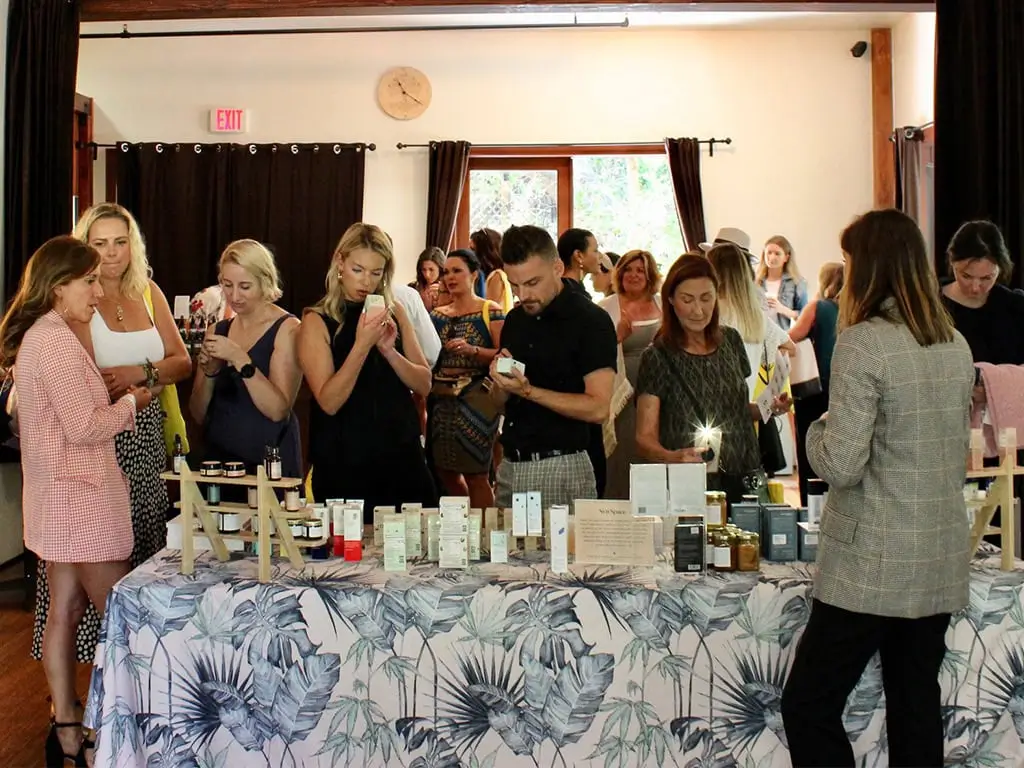
In the discerning world of luxury, merely offering premium products is no longer enough. Today, the most coveted luxury wellness brands understand that true indulgence lies in unforgettable experiences. 

In 2025, these brands are significantly investing in experiential events, recognizing their unparalleled power to forge deeper connections, cultivate loyalty, and showcase a holistic brand philosophy.

The Rise of Experiential Marketing in Luxury Wellness

Experiential marketing allows luxury wellness brands to create immersive journeys that resonate deeply with their affluent clientele.

What Defines a Luxury Wellness Experience?

  • It transcends a simple product purchase, offering a holistic journey that touches on emotional, mental, and spiritual well-being.
  • Key elements include:
    • Exclusivity and personalization: Tailored programs, private consultations, and bespoke services.
    • Opulent environments: Serene settings, exquisite design, and attention to every sensory detail.
    • Integration of ancient and modern practices: Blending traditional healing with cutting-edge science.
    • Exceptional service: Personalized attention from highly skilled practitioners.
    • Transformative outcomes: Focusing on profound rejuvenation, self-discovery, and lasting well-being.

Case Studies from INNOCOS 2025:

  • INNOCOS 2025 showcases leading luxury wellness brands that have successfully launched impactful experiential campaigns.
  • Attendees will learn from examples like high-end skincare brands hosting exclusive “skin health retreats” that combine personalized treatments with nutritional guidance and mindfulness workshops.
  • Another highlight might be a luxury supplement brand creating immersive “bio-hacking sanctuaries” where guests experience personalized wellness protocols under expert guidance.

Key Elements of a Successful 2025 Event Strategy

Crafting an effective experiential event strategy requires a meticulous approach that blends creativity with measurable objectives.

Curating Immersive Brand Activations:

  • Events should be more than just showcases; they must be true “activations” where guests actively participate and engage with the brand’s philosophy.
  • This involves designing multi-sensory environments that evoke specific emotions and reinforce brand values through sight, sound, scent, touch, and even taste.
  • Activations might include interactive workshops, guided meditations, bespoke treatment demonstrations, or healthy culinary experiences.

Integrating Tech & Wellness for Deeper Engagement:

  • Technology is a powerful enabler for enhancing immersive experiences.
  • This could involve using biometric tracking to personalize wellness journeys, AI-driven recommendations for product trials, or even interactive digital art installations that respond to a guest’s presence.
  • The goal is to use technology to deepen engagement and provide personalized insights, not to replace human connection.

Read more: Longevity Meets Wellness 

luxury brand experiences

Top Experiential Trends Shaping Luxury Wellness

The future of luxury wellness events is shaped by cutting-edge trends pushing the boundaries of immersive engagement.

Multi-Sensory Installations:

  • Creating environments that engage all five senses for a truly memorable experience.
  • Examples include:
    • Curated soundscapes (e.g., bioacoustic frequencies for relaxation).
    • Subtle, signature scents diffused throughout the space (e.g., specific essential oils for mood elevation).
    • Dynamic lighting design that shifts to create different moods.
    • Tactile elements like plush fabrics, natural stone, or water features.
    • Gourmet healthy bites and elixirs that align with the wellness theme.
  • Research shows that engaging multiple senses increases brand impact significantly.

Personalized VR & AR Mind-Body Journeys:

  • Leveraging Virtual Reality (VR) and Augmented Reality (AR) to create bespoke relaxation, meditation, or even fitness experiences.
  • Guests might embark on a VR journey through a serene natural landscape, guided by a personalized meditation coach.
  • AR could overlay digital information or visualizations onto real-world wellness activities, like guided yoga sequences with subtle anatomical insights.
  • These technologies offer highly individualized and deeply immersive experiences, catering to the luxury consumer’s desire for unique and effective solutions.

Read more: Inside the Biohacking Beauty Movement

People Also Asked

What is experiential marketing for wellness brands?

Experiential marketing for wellness brands involves creating immersive, interactive, and memorable live events or pop-ups that allow consumers to directly engage with the brand’s philosophy, products, and services, fostering deeper emotional connections.

How do luxury brands measure ROI on live events?

Luxury brands measure ROI on live events through a combination of metrics, including:

  • Brand awareness & sentiment: Social media mentions, media coverage, post-event surveys.
  • Customer engagement: Attendance rates, interaction levels during activations, lead generation.
  • Sales & conversion: Direct sales at the event, increased online traffic post-event, conversion rates of leads.
  • Customer lifetime value: Tracking repeat business and loyalty generated from event attendees.
  • Media value: Estimating the equivalent cost of earned media coverage.

What should a 2025 wellness event include?

A 2025 wellness event should include immersive brand activations, personalized experiences (e.g., through tech or bespoke consultations), multi-sensory engagement, expert-led workshops, opportunities for genuine connection, and a clear alignment with the brand’s core values.

How can technology elevate live wellness experiences?

Technology can elevate live wellness experiences through AI-powered diagnostics for personalized recommendations, AR/VR for immersive “mind-body journeys” and virtual try-ons, wearable tech for real-time biometric feedback, and interactive digital installations for enhanced engagement.

Future-Proofing Beauty Brands: Networking and Tech Trends at INNOCOS

In the fast-paced beauty industry, staying ahead means more than just predicting the next trend – actively shaping it. For beauty brands to thrive and ensure long-term resilience, strategic networking and embracing cutting-edge technology are no longer optional; they are essential. INNOCOS 2025 provides the ultimate platform where these critical elements converge, empowering leaders to navigate the future of beauty.

Why Networking Is Critical for Beauty Brand Resilience

No brand succeeds in isolation. The ability to forge meaningful connections and partnerships is a cornerstone of enduring success in a competitive market.

Building Strategic Partnerships at INNOCOS:

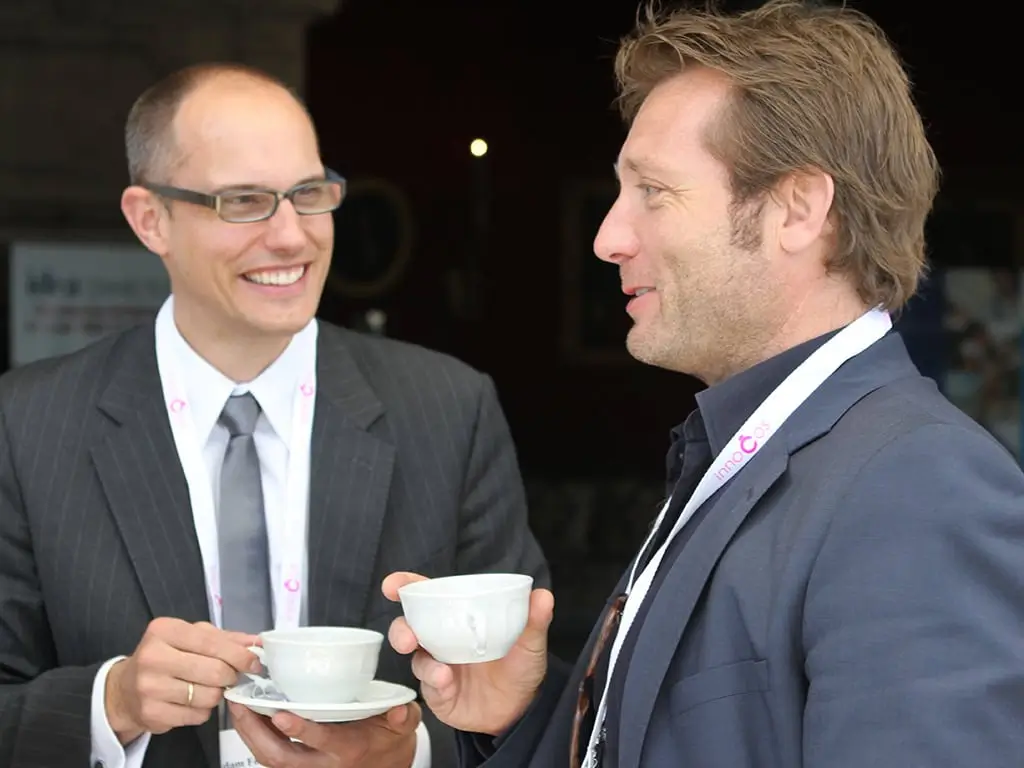
  • INNOCOS brings together a diverse ecosystem of beauty entrepreneurs, investors, suppliers, technology providers, and media.
  • Networking transcends casual introductions; it’s about identifying synergistic collaborations that can unlock new markets, streamline supply chains, or co-develop innovative products.
  • These partnerships can offer a competitive edge, fostering shared knowledge and resources vital for resilience during market shifts.

From Startups to Enterprises: Matchmaking Formats:

  • INNOCOS offers tailored matchmaking opportunities to connect brands of all sizes with relevant partners.
  • Whether it’s a budding startup seeking seed funding and mentorship, or an established enterprise looking for agile tech solutions or sustainable ingredient suppliers, dedicated formats facilitate targeted interactions.
  • These formats include speed networking sessions, curated one-on-one meetings, and themed discussion groups, ensuring high-value connections.

Top Tech Innovations Unveiled at INNOCOS 2025

Technology is rapidly transforming the beauty landscape, offering unprecedented opportunities for personalization, engagement, and operational efficiency. Innocos 2025 showcases the innovations set to define the next generation of beauty.

AI-Powered Skin Diagnostics:

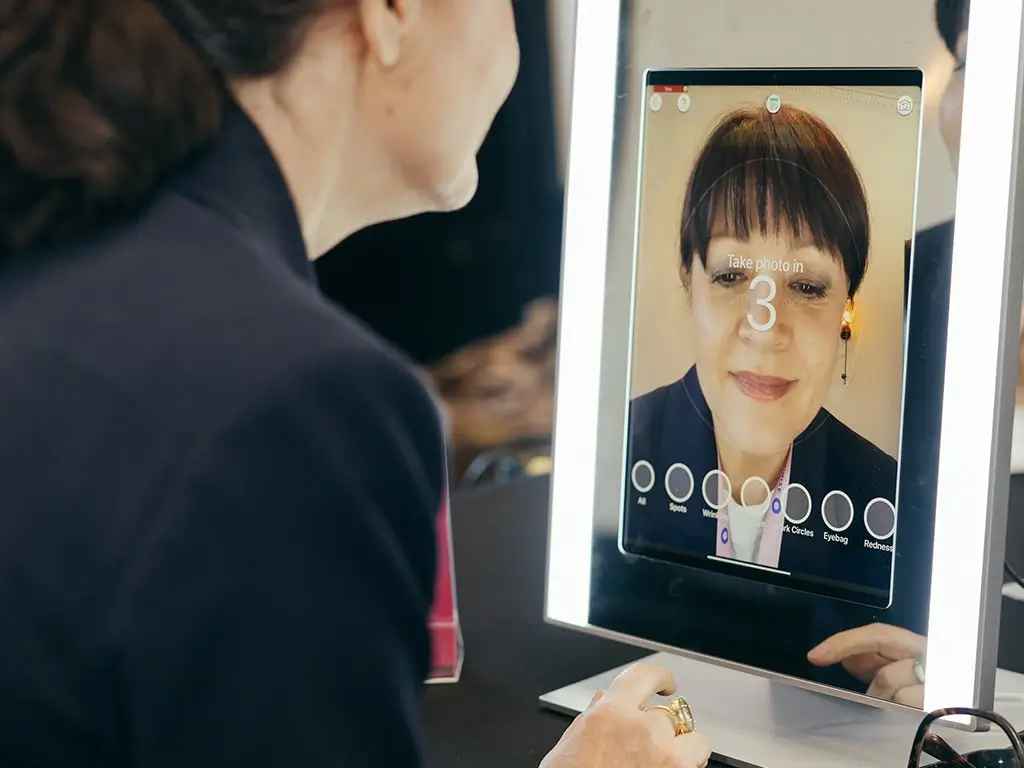
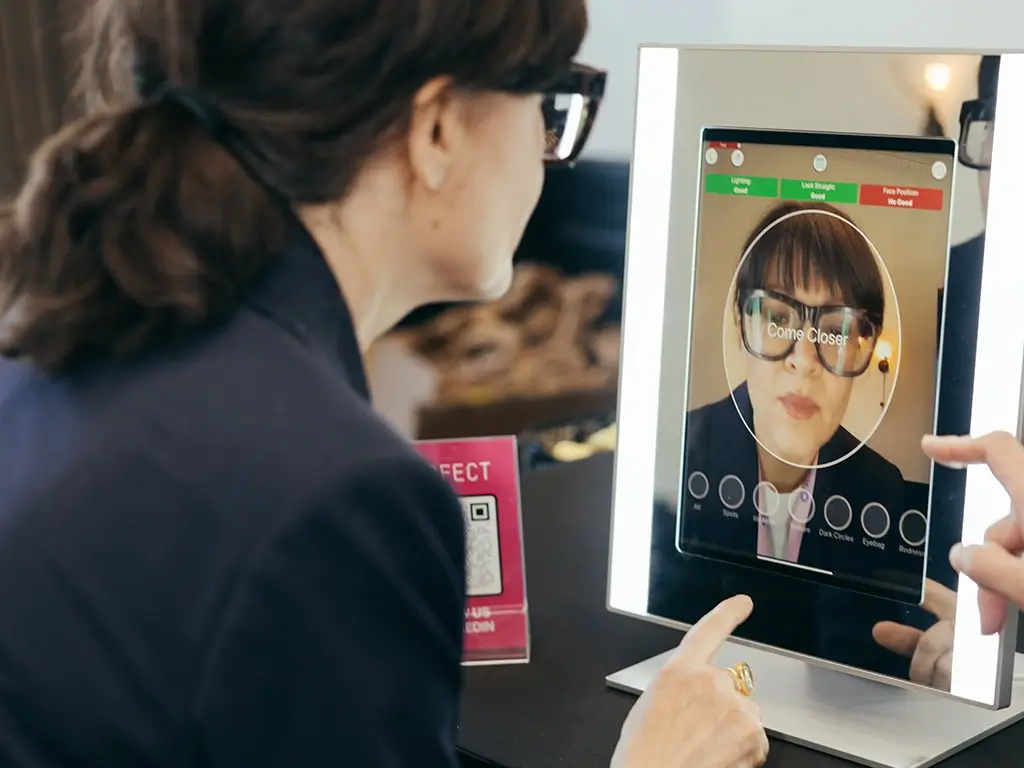
  • Artificial Intelligence is revolutionizing personalized skincare. Brands are leveraging AI-powered devices and apps that analyze skin conditions (hydration, elasticity, texture, redness) with remarkable precision.
  • These tools provide instant, data-driven recommendations for tailored product routines and even predict future skin concerns, moving beyond generic solutions to hyper-personalization.
  • This technology enhances customer satisfaction and loyalty by offering a truly bespoke experience.

AR Virtual Try-On & Metaverse Experiences:

  • Augmented Reality (AR) continues to gain traction, with virtual try-on features becoming a staple for online beauty shopping. Consumers can virtually test makeup shades, hairstyles, and even see how products look in different lighting, reducing purchase uncertainty and returns.
  • Beyond try-ons, brands are exploring immersive Metaverse experiences, creating virtual storefronts, interactive brand narratives, and digital product launches that engage consumers on a deeper, more experiential level.
  • These technologies bridge the gap between physical and digital retail, offering innovative ways to connect with digitally native consumers.

Read more: Free The Birds Unveils INNOCOS’ Stunning New Brand Identity 

Strategies to Future-Proof Your Beauty Brand

Leveraging the insights and connections gained at INNOCOS can provide a clear roadmap for ensuring your brand’s longevity and adaptability.

Leveraging Data & Analytics from INNOCOS Workshops:

  • INNOCOS workshops offer deep dives into market research, consumer behavior analytics, and the effective use of first-party data.
  • Brands can learn to harness data from their own customers, AI diagnostics, and engagement platforms to refine product development, optimize marketing strategies, and personalize customer journeys.
  • Data-driven decision-making, honed through these insights, is crucial for agile adaptation to evolving consumer demands.
beauty innovation in innocos

Adopting Sustainable, Scalable Technologies:

  • The future of beauty is inherently linked to sustainability. INNOCOS highlights technologies that drive innovation and support eco-conscious practices.
  • This includes advancements in green chemistry, biotech ingredients, circular packaging solutions, and energy-efficient manufacturing processes.
  • Adopting scalable technologies ensures that growth can be achieved without compromising environmental commitments, appealing to the growing segment of ethically-minded consumers.

Read more: Top Wellness and Longevity Trends

Inside the Beauty Industry’s Next Moves

How can beauty brands network effectively at conferences?

Prepare an elevator pitch, research attendees and speakers, use social media to connect pre-event, attend targeted sessions, ask open-ended questions, and always follow up promptly and meaningfully.

What types of partners can brands find at INNOCOS?

At INNOCOS, brands can find investors, distributors, retailers, raw material suppliers, packaging innovators, technology providers (AI, AR, data analytics), marketing agencies, scientific research partners, and other beauty entrepreneurs for collaborations.

What are the hottest beauty tech trends for 2025?

For 2025, key trends include AI-powered personalization and skin diagnostics, AR/VR virtual try-on and metaverse experiences, smart beauty devices for at-home use, biotech ingredients, and advanced traceability solutions.

How will AR/VR impact consumer shopping?

AR/VR will allow consumers to virtually try on products with high accuracy, explore immersive brand environments, personalize recommendations, and access detailed product information, significantly enhancing the online shopping experience and reducing returns.

From Supplements to Skin: The Science-Backed Claims Brands Need at INNOCOS

In today’s dynamic beauty and wellness industries, consumers are savvier than ever. They’re moving beyond aspirational marketing, demanding tangible results backed by rigorous science. This shift is particularly evident in the burgeoning market for ingestible beauty and topical products leveraging internal health insights. 

At INNOCOS, we’re spotlighting the brands that are successfully bridging this gap, delivering formulations with robust, verifiable claims.

Why Science-Backed Claims Are Crucial in Today’s Beauty Market

The era of vague promises is over. For modern beauty brands, scientific substantiation isn’t just a marketing advantage; it’s a fundamental requirement for building trust and ensuring long-term success.

Regulatory Standards & Consumer Trust:

  • Regulatory bodies globally (e.g., FDA in the US, EU Cosmetics Regulation in Europe) increasingly scrutinize beauty claims to prevent misleading advertising.
  • Claims must be truthful, non-deceptive, and supported by objective, verifiable evidence.
  • Consumers, particularly the younger generations, prioritize transparency and efficacy, leading them to seek out products with clinical proof.
  • Brands that invest in robust scientific testing cultivate a stronger reputation for credibility and reliability.

Avoiding “Clean Label” Greenwashing:

  • The “clean beauty” movement, while positive, has sometimes led to ambiguous “free-from” claims that lack scientific basis or can even demonize safe ingredients.
  • Science-backed claims provide a counter-narrative to greenwashing, offering clear, data-driven reasons for a product’s benefits, rather than relying on fear-mongering or unsubstantiated “natural” appeals.
  • This helps differentiate genuinely effective products from those merely riding a trend.

Key Nutrients That Translate from Oral to Topical Efficacy

Understanding the skin-gut axis and systemic health drives innovation, showing how nutrients benefit skin whether ingested or applied topically.

Read more: Top Wellness and Longevity Trends

Collagen, Biotin & Beyond:

  • Collagen: Extensively researched for its role in skin elasticity and hydration when ingested, new science explores its topical benefits, often in hydrolyzed forms or as peptides.
  • Biotin (Vitamin B7): Known for supporting hair and nail health when taken orally, its topical applications are being investigated for scalp health and skin barrier support.
  • Hyaluronic Acid: While popular in topical serums for hydration, oral hyaluronic acid supplements also promise to improve skin moisture and reduce the look of  wrinkles.
  • Vitamins (C, E, A): Potent antioxidants and essential for collagen synthesis (vitamin C), UV protection (vitamin E), and cell turnover (vitamin A/retinoids), effective both orally and topically.
  • Omega-3 Fatty Acids: Oral intake reduces inflammation and supports skin barrier function; topical forms are being developed for similar benefits in conditions like eczema and acne.
  • Probiotics/Prebiotics: The “gut-skin axis” highlights their internal benefits, while topical applications aim to balance the skin’s microbiome.
science backed skincare

Delivery Mechanisms: From Capsules to Creams:

  • Oral Supplements: Offer systemic benefits, influencing skin health from within by providing essential nutrients that support cellular function, reduce signs of inflammation, and promote overall well-being.
  • Topical Formulations: Deliver targeted action directly to the skin’s surface or deeper layers, addressing specific concerns like hydration, texture, and protection.
  • Synergistic Approaches: The most advanced brands are exploring combinations of oral supplements and topical products, recognizing that optimal skin health often requires a holistic approach, where internal and external care work in tandem for enhanced results.

Read more: Key Discoveries in Beauty, Wellness, and Longevity

Evidence-Based Beauty: Key Questions

What counts as a science-backed beauty claim?

A science-backed beauty claim is supported by objective, verifiable data from clinical trials, instrumental testing (e.g., corneometry for hydration, profilometry for wrinkles), in vitro studies, and expert dermatological assessments, rather than subjective consumer testimonials alone.

Why do consumers care about clinical proof?

Consumers care about clinical proof because it builds trust, validates product efficacy, ensures safety, and helps them make informed purchasing decisions in a market saturated with often unsubstantiated claims. They want to know a product actually works as advertised.

How do regulations govern beauty claims?

Regulations (e.g., EU Cosmetics Regulation, FDA guidelines) mandate that beauty claims must be truthful, non-misleading, and substantiated by adequate evidence. Claims implying a therapeutic or structural change to the body may classify a product as a drug, subjecting it to stricter oversight.

Which supplements improve skin health?

Common supplements that have shown benefits for skin health include collagen, biotin, omega-3 fatty acids, vitamins C and E, hyaluronic acid, and certain probiotic strains.

How do oral nutrients compare to topical application?

Oral nutrients provide systemic benefits, working from within to support overall skin health. Topical applications deliver targeted benefits directly to the skin’s surface. Often, a combination of both can offer comprehensive results for various skin concerns.

What clinical data supports supplement claims?

Clinical data for supplement claims typically comes from randomized, placebo-controlled human trials assessing improvements in specific skin parameters like elasticity, hydration, wrinkle depth, or reduction in skin conditions, often using instrumental measurements alongside subjective assessments.

Unlocking Cross-Industry Leadership: Health Execs and Beauty Innovators Unite

The future of health and beauty is no longer defined by separate silos. A powerful synergy is emerging as visionary health executives and innovative beauty leaders increasingly collaborate, bringing diverse perspectives and groundbreaking solutions to both industries. This convergence is not just about new products; it’s about redefining wellness from the inside out, driven by shared expertise and a holistic understanding of consumer needs.

Why Cross-Industry Collaboration Drives Innovation

Blending health and beauty expertise creates a fertile ground for innovation, pushing boundaries and challenging traditional approaches.

  • Lessons Health Execs Bring to Beauty:
    • Rigorous scientific validation: A deep understanding of clinical trials, evidence-based claims, and scientific integrity.
    • Patient-centricity: A focus on individual needs, long-term well-being, and personalized solutions, translatable to highly effective beauty regimens.
    • Regulatory compliance: Expertise in navigating complex regulatory landscapes, ensuring product safety and efficacy.
    • Data-driven decision-making: Profound experience in analyzing health data to identify trends, predict outcomes, and inform product development.
  • How Beauty Trends Inform Healthcare Engagement:
    • Consumer engagement strategies: Beauty’s mastery of emotional connection, aspirational branding, and direct-to-consumer models can transform how healthcare interacts with patients.
    • Personalization and customization: Beauty’s early adoption of personalized routines and product formulations can inspire more tailored healthcare interventions.
    • Holistic wellness focus: Beauty’s emphasis on overall well-being, stress reduction, and self-care aligns with preventive health strategies.
    • Digital native marketing: Beauty’s prowess in social media, influencer marketing, and online community building offers new health education and outreach avenues.

Read more: Leadership Trends in Beauty and Wellness

Profiles of Top Health Executives Shaping Beauty’s Future

Visionary health sector leaders bring their unique insights to disrupt and innovate within the beauty industry.

  • Case Study: Digital Patient-Centric Tools in Skincare Brands:
    • Imagine a skincare brand leveraging AI-powered diagnostic tools, similar to those used in telemedicine, to analyze skin conditions and recommend personalized treatments.
    • Health executives are instrumental in adapting technologies like remote monitoring, personalized data dashboards, and secure patient portals to create highly effective, customized beauty experiences.
    • These tools empower consumers with more informed choices and track their progress with scientific precision.
  • Regulatory Insights from Healthcare to Cosmetics:
    • Healthcare’s stringent regulatory environment provides invaluable lessons for the beauty sector, particularly as consumers demand greater safety and transparency.
    • Executives with experience in pharmaceutical or medical device regulation can help beauty brands navigate evolving standards for ingredient safety, product claims, and manufacturing practices.
    • This expertise can also help proactively shape future cosmetic regulations, advocating for higher industry standards.

Read more: Leadership Trends in Beauty and Wellness

Successful Beauty-Health Partnerships to Watch

beauty industry leadership

The most exciting innovations emerge from strategic collaborations that blend expertise from both industries.

  • Nutrition & Topical Care Integrations:
    • The understanding that skin health is intricately linked to internal nutrition is leading to a surge in “ingestible beauty” and integrated wellness programs.
    • Partnerships between supplement companies and skincare brands are developing synergistic product lines that address internal and external concerns.
    • Examples include probiotic supplements paired with topical microbiome-balancing skincare, or collagen drinks complementing anti-aging creams.
  • Data-Driven Next-Gen Product Roadmaps:
    • By combining health data analytics (e.g., genetic predispositions, lifestyle factors) with beauty industry trend forecasting, brands can develop highly targeted and effective products.
    • These partnerships enable the creation of personalized product roadmaps that adapt to individual biological needs and evolving consumer preferences.
    • This leads to more efficacious products and a reduced risk of developing “one-size-fits-all” solutions that don’t meet diverse consumer demands.

Read more: Wellness Meets Sustainability

The Future of Wellness: Your Questions Answered

What is cross-industry leadership?

Cross-industry leadership involves applying knowledge, strategies, and best practices gained from one sector to another, fostering innovation and growth by leveraging diverse perspectives.

How can health and beauty sectors collaborate effectively?

Effective collaboration involves shared research and development, joint marketing initiatives, cross-functional teams, mutual learning from regulatory challenges, and a focus on holistic consumer well-being.

What benefits arise from cross-industry partnerships?

Benefits include accelerated innovation, expanded market reach, enhanced product efficacy and safety, increased consumer trust, and the development of more holistic wellness solutions.

Which health execs are active in beauty right now?

Many health executives, particularly those with backgrounds in pharmaceuticals, biotechnology, or medical devices, are joining or advising beauty brands, driving scientific rigor and data-driven strategies. Specific names are constantly emerging as the trend grows.

How do healthcare regulations impact beauty products?

Healthcare regulations often set a precedent for higher safety and efficacy standards, influencing beauty product formulation, testing protocols, and labeling requirements, pushing the beauty industry towards greater scientific validation.

What digital tools cross over from health to beauty?

Digital tools like AI-powered diagnostics (e.g., skin analysis apps), personalized recommendation engines, telemedicine consultation platforms, wearable tech for health metrics, and secure data management systems are crossing over from health to beauty.

What are examples of beauty-health collaborations?

Examples include skincare brands partnering with nutritionists to offer ingestible beauty products, beauty companies developing devices based on medical-grade technology, and brands integrating mental wellness aspects into their product lines (e.g., aromatherapy for stress relief).

How do brands co-develop products across industries?

Co-development often involves interdisciplinary research teams, sharing intellectual property and data, conducting joint clinical trials, and leveraging specialized manufacturing capabilities from both sectors to create integrated solutions.

Wellness Meets Sustainability: Eco-Conscious Brands at INNOCOS 2025

The beauty and wellness industries are undergoing a profound transformation. Beyond fleeting trends, a fundamental shift towards sustainability and eco-consciousness is reshaping how brands operate and consumers choose their products. 

At INNOCOS 2025, we’re bringing together the pioneers and innovators driving this green revolution, showcasing how wellness and sustainability are converging to create a more beautiful and responsible future.

Why Sustainability Matters in Modern Beauty

The imperative for sustainability in beauty is no longer a niche concern; it’s a mainstream demand driven by informed consumers and a growing awareness of environmental impact.

  • From Single-Use Plastics to Refillable Packaging:
    • The beauty industry has historically been a significant contributor to plastic waste, with countless single-use containers ending up in landfills and oceans.
    • Forward-thinking brands are actively phasing out virgin plastics and embracing innovative solutions:
      • Refillable systems: Durable, aesthetically pleasing packaging designed for repeated use, allowing consumers to purchase only the product refill.
      • Post-consumer recycled (PCR) materials: Utilizing recycled plastics, glass, and aluminum to create new packaging, diverting waste from landfills.
      • Biodegradable and compostable materials: Exploring alternative materials like bamboo, paperboard, and mycelium that naturally break down.
  • Key Certifications to Watch for (Cruelty-Free, B Corp, Leaping Bunny):
    • Certifications assure consumers of a brand’s commitment to ethical and sustainable practices.
    • Cruelty-Free: Guarantees that no animal testing was conducted on ingredients or finished products.
    • B Corp: Certifies that a company meets rigorous social and environmental performance standards, accountability, and transparency.
    • Leaping Bunny: A globally recognized standard for cruelty-free cosmetics and personal care products.
    • Other important certifications include USDA Organic, ECOCERT, and Fair Trade, which signify responsible sourcing and production.

Read more: Our Top 15 Longevity Books Recommendation to read in 2025

Top Eco-Conscious Brand Showcases at INNOCOS 2025

INNOCOS 2025 will be a hub for brands demonstrating cutting-edge sustainable practices, offering invaluable insights for attendees.

  • Breakthrough Formulas (e.g., Upcycled Botanicals):
    • Innovation in formulations is moving beyond “natural” to truly sustainable.
    • Upcycled botanicals: Utilizing byproducts from other industries (e.g., coffee grounds, fruit seeds) to extract potent active ingredients, minimizing waste and maximizing resource efficiency.
    • Waterless formulations: Concentrated products that reduce the need for water, both in composition and transportation, significantly lowering carbon footprints.
    • Biotechnology-derived ingredients: Cultivating ingredients through fermentation or cellular agriculture, offering sustainable alternatives to traditional botanical sourcing.
  • Zero-Waste Supply Chains & Circular Economy Models:
    • The ultimate goal for many eco-conscious brands is to achieve a circular economy, where waste is eliminated, and resources are kept in use.
    • Closed-loop manufacturing: Designing products and processes so that materials can be continuously reused or recycled.
    • Local sourcing: Reducing transportation emissions by sourcing ingredients and manufacturing products closer to home.
    • TerraCycle partnerships: Collaborating with specialized recycling programs to handle hard-to-recycle beauty packaging.

Read more: How Longevity is Shaping Beauty & Wellness

How INNOCOS Shapes the Future of Green Beauty

INNOCOS Events is dedicated to fostering collaboration and innovation in the beauty industry, with sustainability at its core.

  • Panel Takeaways: Investor & Founder Perspectives:
    • At INNOCOS 2025, expect insightful discussions from leading investors and founders on the financial viability and market demand for sustainable beauty.
    • Panels will delve into strategies for securing green investments, scaling eco-conscious businesses, and measuring genuine impact.
  • Actionable Steps for Brands to Go Green in 2025–2026:
    • Our events provide concrete, actionable takeaways for brands of all sizes.
    • Attendees will gain practical guidance on:
      • Conducting comprehensive carbon footprint assessments.
      • Implementing sustainable packaging solutions.
      • Adopting ethical sourcing practices.
      • Navigating regulatory landscapes for green claims.
      • Communicating sustainability efforts authentically to consumers.

Related post: A Year of Growth and Transformation

People Also Asked

What does “eco-conscious beauty” mean?

Eco-conscious beauty refers to beauty products and practices that minimize negative environmental impact throughout their lifecycle, from ingredient sourcing and manufacturing to packaging and disposal. It prioritizes sustainability and ethical practices and often focuses on natural, safe ingredients.

How do I identify truly sustainable beauty brands?

  • Look for transparency in ingredient lists and sourcing.
  • Seek out third-party certifications (B Corp, Leaping Bunny, USDA Organic).
  • Check for refillable or PCR packaging, or innovative zero-waste solutions.
  • Research their commitments to reducing carbon footprint and water usage.
  • Be wary of “greenwashing” – vague or unverified claims.

Which beauty brands are leading in sustainability?

Many brands are making significant strides, including those utilizing refillable systems (e.g., L’Occitane, Kjaer Weis, Augustinus Bader), employing upcycled ingredients (e.g., UpCircle), and focusing on comprehensive circularity (e.g., ILIA, Ethique). INNOCOS showcases many such innovators.

How do brands measure their carbon footprint?

Brands measure their carbon footprint by assessing greenhouse gas emissions across three scopes:

  • Scope 1: Direct emissions from owned or controlled sources (e.g., company vehicles, factory emissions).
  • Scope 2: Indirect emissions from purchased energy (e.g., electricity, heating).
  • Scope 3: All other indirect emissions from the value chain (e.g., raw material extraction, transportation, waste disposal, product use). This often involves data collection, activity logs, and applying emission factors.

What’s an example of circular packaging in skincare?

An excellent example is a brand offering a durable, high-quality glass or aluminum jar for a face cream, with interchangeable, recyclable refill pods that click into place. Once the pod is empty, the consumer replaces it with a new refill, keeping the original outer packaging in circulation indefinitely.

What sustainability initiatives does INNOCOS support?

INNOCOS strongly supports sustainability through its core event themes, panels, and networking opportunities. We feature brands prioritizing eco-innovation, host discussions on circular economy models, and previously partnered to establish the Blue Beauty Awards, recognizing brands making a positive environmental impact through innovation, sustainability, transparency, and social responsibility.

How can smaller brands attend INNOCOS?

INNOCOS offers various attendance options. Smaller brands can explore delegate passes, participate in startup showcases, or seek out networking opportunities during the event. Engaging with the INNOCOS online community can also provide valuable information and potential connections for future participation.

What resources does INNOCOS provide on eco-innovation?

INNOCOS offers a wealth of resources on eco-innovation through its blog, podcast (including dedicated Blue Beauty episodes), and post-event content (presentations, summaries). Our events themselves are a primary resource, bringing together experts and innovators to share cutting-edge strategies and breakthroughs in sustainable beauty.

Longevity Clinics: Reshaping Beauty and Wellness Forever

Longevity clinics are transforming our approach to aging by merging cutting-edge science with personalized wellness strategies. These innovative centers aim for aesthetic improvements and potentially longer, healthier lives through advanced treatments and technologies.

What Are Longevity Clinics?

Longevity clinics are specialized medical centers where trained doctors focus on extending healthy lifespans. They combine preventive care, advanced diagnostics, and therapies that target biological aging at the cellular level.

Why Are Longevity Clinics Gaining Popularity?

With an aging population and a growing desire for alternatives to traditional healthcare, longevity clinics are in high demand. Baby boomers seek options beyond conventional medicine, while younger generations invest in biological age optimization.

Innocos is redefining the future of beauty and wellness with its unique approach to integrating innovation and science into the industry.

How Do Longevity Clinics Work?

Longevity clinics offer personalized wellness strategies using advanced diagnostics, treatments, and technologies. Their approach focuses on slowing aging at the cellular level, with therapies like regenerative medicine, hormone optimization, and genetic testing.

Key Treatments and Technologies in Longevity Clinics

Here are some of the most popular treatments available at longevity clinics:

  • NAD+ infusions: Boost cellular repair and energy production.
  • Peptide therapies: Regenerate tissues and promote healthy aging.
  • Hyperbaric oxygen therapies: Enhance cellular oxygen levels to support regeneration.
  • Stem cell treatments: Repair damaged tissues and restore youthful vitality.

How Longevity Clinics Improve Skin Health and Aging

Longevity clinics combine advanced dermatological treatments with cellular regeneration techniques. Personalized treatments like peptide therapy and PRP (platelet-rich plasma) actively combat aging by stimulating collagen production and skin regeneration.

Read more about the leadership trends in beauty and wellness to discover the latest developments and strategies shaping the industry’s future.

Personalized Wellness Plans: A Holistic Approach to Aging

Each wellness plan is tailored to the individual, considering genetics, lifestyle, and health goals. These plans often include:

  • Nutrition adjustments
  • Exercise routines
  • Stress management techniques

Benefits of Longevity Treatments

Longevity treatments can provide several health benefits, including:

  • Improved skin health through regenerative therapies
  • Increased energy levels from hormone optimization
  • Reduced inflammation via personalized treatments
  • Enhanced mental clarity through targeted wellness programs
the rise of longevity clinics

Are Longevity Treatments Effective?

Research indicates that many longevity treatments can slow biological aging markers. While results vary based on genetics and lifestyle, treatments like NAD+ and peptide therapies have shown promise in reducing inflammation and preserving telomere length.

Stay ahead of the curve by exploring the Top Wellness and Longevity Trends, where emerging technologies and treatments shape how we live and age.

How Does Genetic Testing Impact Longevity Treatments?

Genetic testing helps identify specific risks and aging markers in an individual’s DNA. Using this data, longevity clinics create highly personalized health strategies to optimize aging and prevent disease based on a person’s unique genetic makeup.

The Future of Aging: Your Guide to Longevity Clinics & Treatments

What is a longevity clinic, and how does it work?
Longevity clinics focus on extending healthy lifespans by offering personalized treatments that target biological aging at the cellular level.

What are the most popular treatments at longevity clinics?
Common treatments include NAD+ infusions, peptide therapies, hormone optimization, and hyperbaric oxygen therapy.

How does genetic testing help in longevity treatment plans?
Genetic testing helps identify DNA markers that indicate risks and optimal interventions, enabling doctors to create personalized wellness plans.

Can longevity clinics slow down the aging process?
While results vary, research supports that some treatments can slow aging by preserving telomeres and reducing cellular inflammation.

Are longevity treatments safe?
Most longevity treatments are clinically tested and show minimal side effects. However, long-term studies are ongoing.

Conclusion:
Longevity clinics are changing how we approach aging by integrating science and personalized wellness strategies. These centers offer more than just cosmetic improvements—they provide a comprehensive approach to extending health and vitality.

Learn how longevity is shaping beauty & wellness by understanding the intersection of scientific breakthroughs and aesthetic improvements.

Wellness Networking for Executives: How to Build Influence in Health & Beauty

Building the right relationships in the wellness industry helps executives unlock new opportunities, stay ahead of trends, and increase revenue.

Networking isn’t just a social activity; it’s a proven growth strategy. In the fast-moving health and beauty market, executives who build meaningful connections outperform their peers in innovation, leadership, and longevity.

Why Does Networking Matter for Health & Beauty Executives?

Networking provides strategic advantages that go far beyond social benefits.

Key Benefits:

  • Creates opportunities for brand partnerships and cross-promotion
  • Gives early access to market trends and innovations
  • Provides support systems during business challenges
  • Improves deal flow, recruiting, and decision-making
  • Positions executives as trusted industry leaders

According to studies, executives with strong networks see up to 37% higher revenue growth.

Read more: Leadership Trends in Beauty and Wellness

Who Should You Network With in the Wellness Industry?

Not all connections are equal. Focus on high-value individuals who align with your mission and can help you scale.

High-Impact Contacts Include:

  • Influencers & Founders: Aerin Lauder, Gwyneth Paltrow, Kylie Jenner
  • Innovators: Emily Weiss (Glossier), Vicky Tsai (Tatcha)
  • Investors: Kirsten Green (Forerunner Ventures), other VCs funding wellness brands
  • Mentors & Advisors: Experienced C-suite executives in adjacent wellness sectors

Pro Tip: Look for people who complement your strengths and share your brand values.

What Are the Best Wellness Events for Executive Networking?

Target events that combine business development with authentic wellness experiences.

Recommended Events:

  • Goop Wellness Weekend – Lifestyle and beauty-focused retreat
  • Global Wellness Summit – Thought leadership and trend forecasting
  • Mindful Leaders Summit – Executive well-being and strategy
  • CEO Fitness Retreats – Private health-centered meetups for high-level collaboration

These events allow for genuine connections through shared interests, not forced networking.

Read more: Top Wellness and Longevity Trends

Wellness Networking for Executives

How Can Executives Build Relationships Digitally?

Use digital tools strategically to enhance your professional presence and engage with key players.

Top Platforms:

  • LinkedIn: Join wellness-focused groups, comment thoughtfully, and share insights
  • Mindbody & ClassPass: Create business profiles to showcase your philosophy
  • Instagram & TikTok: Connect with influencers and emerging brands visually

Focus on being helpful, not self-promotional. Ask questions, offer support, and build rapport.

How to Build Influence Through Value-First Relationships

Authenticity is your most valuable currency. Executives who give before asking build long-term trust and influence.

Ways to Offer Value:

  • Share market insights or trend data
  • Make meaningful introductions
  • Provide feedback on new products or ideas
  • Offer your time for mentorship

This approach transforms you into a resource, not just another name on a contact list.

What’s the ROI of Wellness Networking for Executives?

Networking in health and beauty is more than just relationship-building — it delivers measurable business value.

Real Results:

  • 30% faster deal closures through event-based connections
  • 25% higher retention of strategic partners
  • Better resilience during market downturns
  • Enhanced personal well-being and mental clarity

Related post: How Longevity is Shaping Beauty & Wellness 

FAQs

How does wellness networking improve executive performance?
It provides valuable insights, early trend detection, and trusted partnerships that boost business decisions and personal health.

What’s the best way to start networking in health and beauty?
Begin by attending curated events and reaching out to contacts via LinkedIn. Offer value before asking for anything.

Are wellness connections more impactful than traditional business contacts?
Yes — wellness-focused relationships often include shared values and lifestyle alignment, making them more authentic and long-lasting.

How can I measure my networking success?
Track new partnerships, referrals, collaboration invites, and business growth tied directly to your wellness network.

Skip to content